No matter how advanced or expensive your vehicle is, its connection to the road comes down to just four small rubber contact patches. While vehicle owners routinely monitor engine oil, service intervals, and fuel efficiency, tire pressure is frequently overlooked. Maintaining incorrect tire pressure wastes fuel and poses a severe safety hazard on the highway.
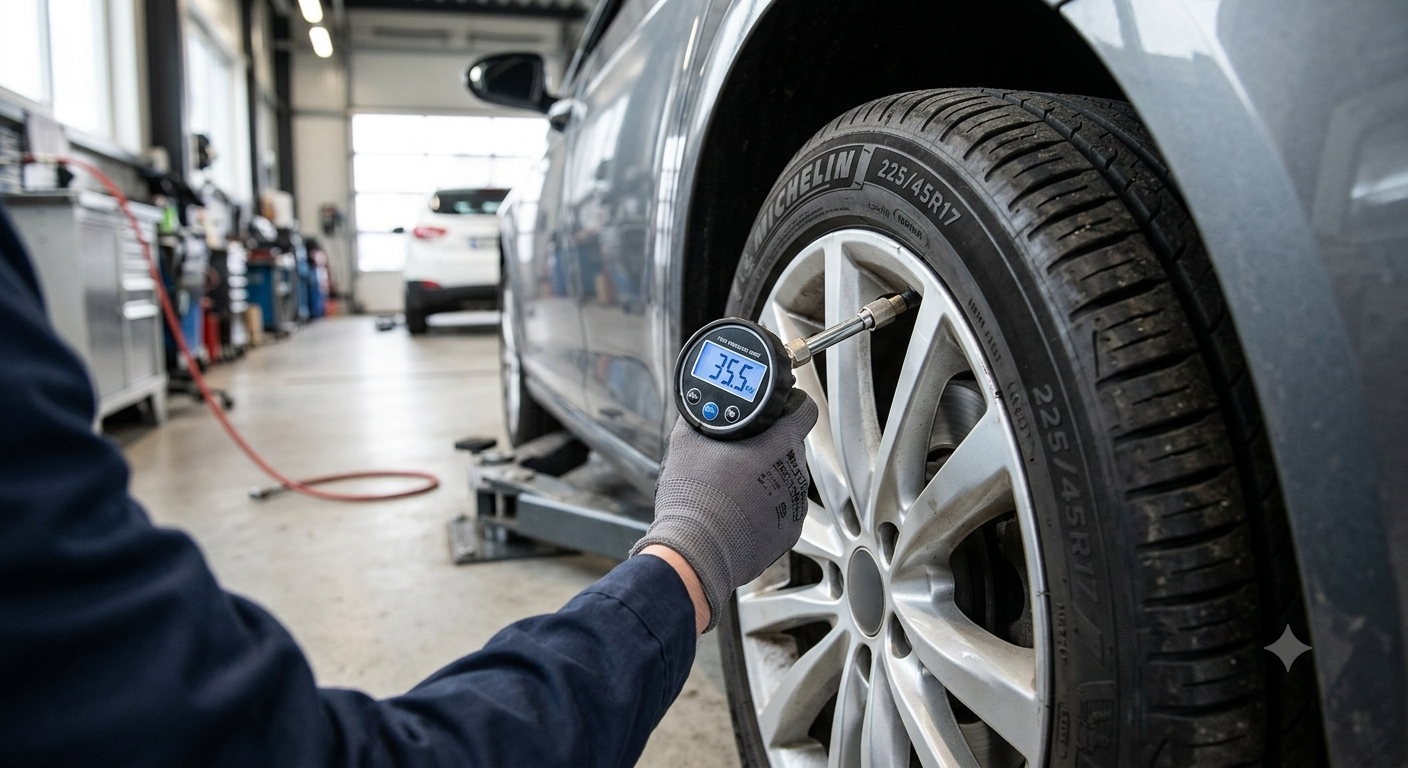
1. Why Proper Tyre Pressure Matters
Maintaining the manufacturer-recommended air pressure is critical to your vehicle's overall performance: Fuel Efficiency: Correct inflation minimizes rolling resistance, allowing the engine to operate efficiently and consume less fuel. Tire Longevity: Proper pressure prevents premature and uneven tread wear, significantly extending the life of your tires. Handling and Braking: Recommended pressure ensures optimal traction, responsive steering, and shorter stopping distances during emergency braking.
2. The Hazards of Incorrect Tyre Pressure
Deviating from recommended pressure levels leads to distinct operational issues:
A. Under-Inflation (Low Pressure)
Tire Blowout Risk: Insufficient air increases sidewall flexing, generating excessive heat that can cause structural failure or blowouts at high speeds. Reduced Fuel Economy: Increased rolling resistance forces the engine to work harder, reducing fuel efficiency by 5% to 10%. Sluggish Steering: Low pressure creates heavy steering feel and delayed handling response.
B. Over-Inflation (Excess Pressure)
Harsh Ride Quality: Over-inflated tires lose flexibility, resulting in a stiff, uncomfortable ride that transmits road vibrations directly into the cabin. Center Tread Wear: Excess pressure bulges the center of the tread, leading to uneven wear patterns. Reduced Grip: The tire's contact patch shrinks, compromising traction and increasing the risk of skidding.
3. Inspection Frequency & Best Practices
Maintenance Schedule: Check tire pressure every two weeks and prior to embarking on long road trips. The Cold Tire Rule: Always measure pressure when the tires are "cold" (before driving or at least three hours after parking). Driving generates friction and heat, causing temporary air expansion that skews readings high.
4. Seasonal Maintenance: Summer vs. Winter
Ambient temperature directly impacts tire pressure based on thermal expansion principles:
Summer Care: High outdoor temperatures cause air inside the tire to expand. Avoid deflating hot tires; instead, check them early in the morning to ensure they match the cold PSI specification. Winter Care: Cold air compresses, resulting in an average drop of 1 to 2 PSI for every 10°F (5.5°C) drop in temperature. Frequent pressure checks are necessary during winter to prevent under-inflation.
5. Driver's Quick Checklist
Reference the sticker on the driver's side door pillar (B-pillar) or inside the fuel filler flap for exact PSI ratings rather than the maximum PSI printed on the tire sidewall. Inspect the spare tire monthly to ensure it is properly inflated in case of emergencies. Consider using Nitrogen gas, which leaks slower through tire rubber and experiences less pressure fluctuation under temperature shifts.