Walking into a service center for a routine oil change often leads to a confusing pitch: "Sir, should we use fully synthetic or mineral oil today?" Service advisors frequently push expensive synthetic oils, claiming they are superior for every vehicle. But are you paying double for benefits your engine doesn't actually need? Choosing the right engine oil isn't about buying the most expensive option—it's about matching the oil to your car's engine design and your driving habits.
Never Miss an Oil Change
Track engine oil changes, set mileage reminders, and log service bills with the Odo App.
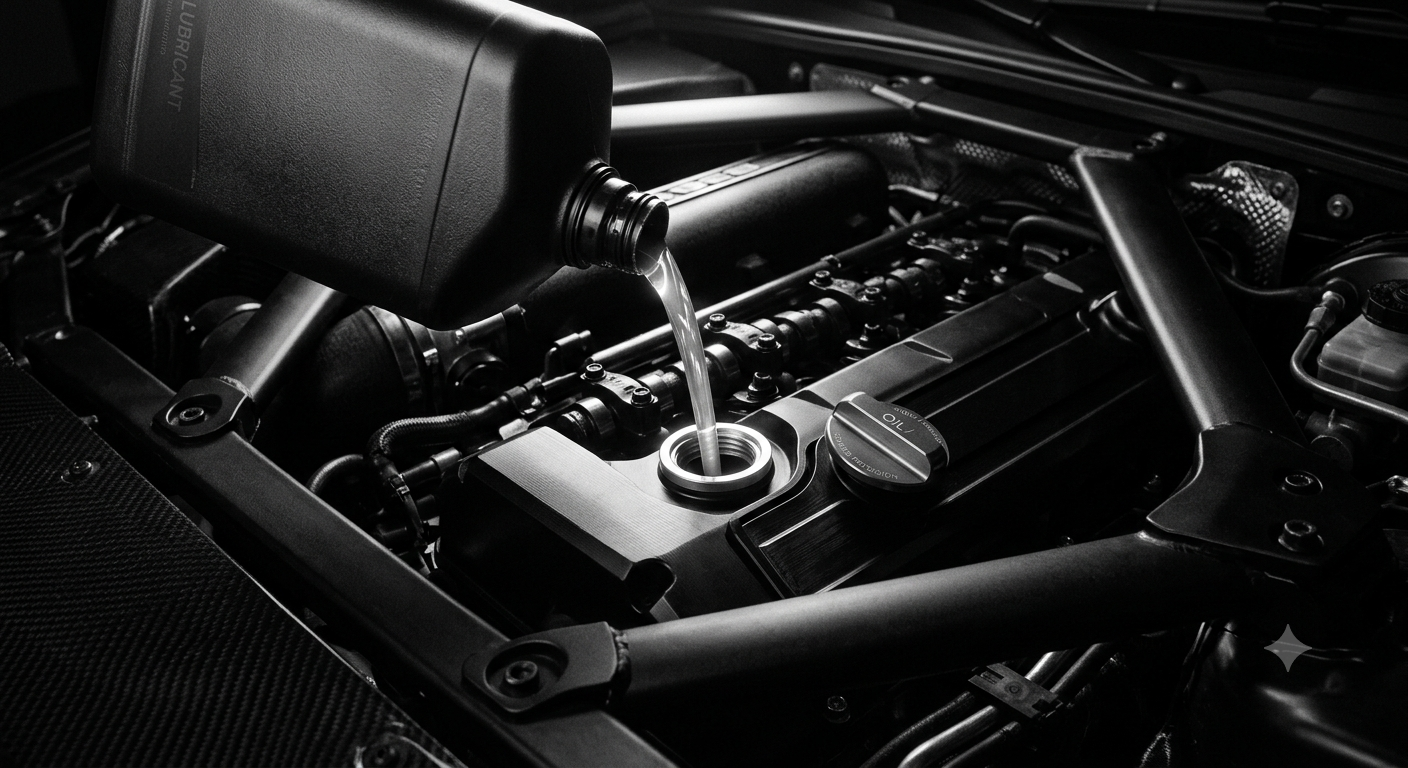
1. Understanding Engine Oil Types: Mineral vs. Synthetic
Engine oil keeps internal metal components lubricated, regulates engine temperature, and sweeps away harmful sludge. There are three primary types of engine oils available:
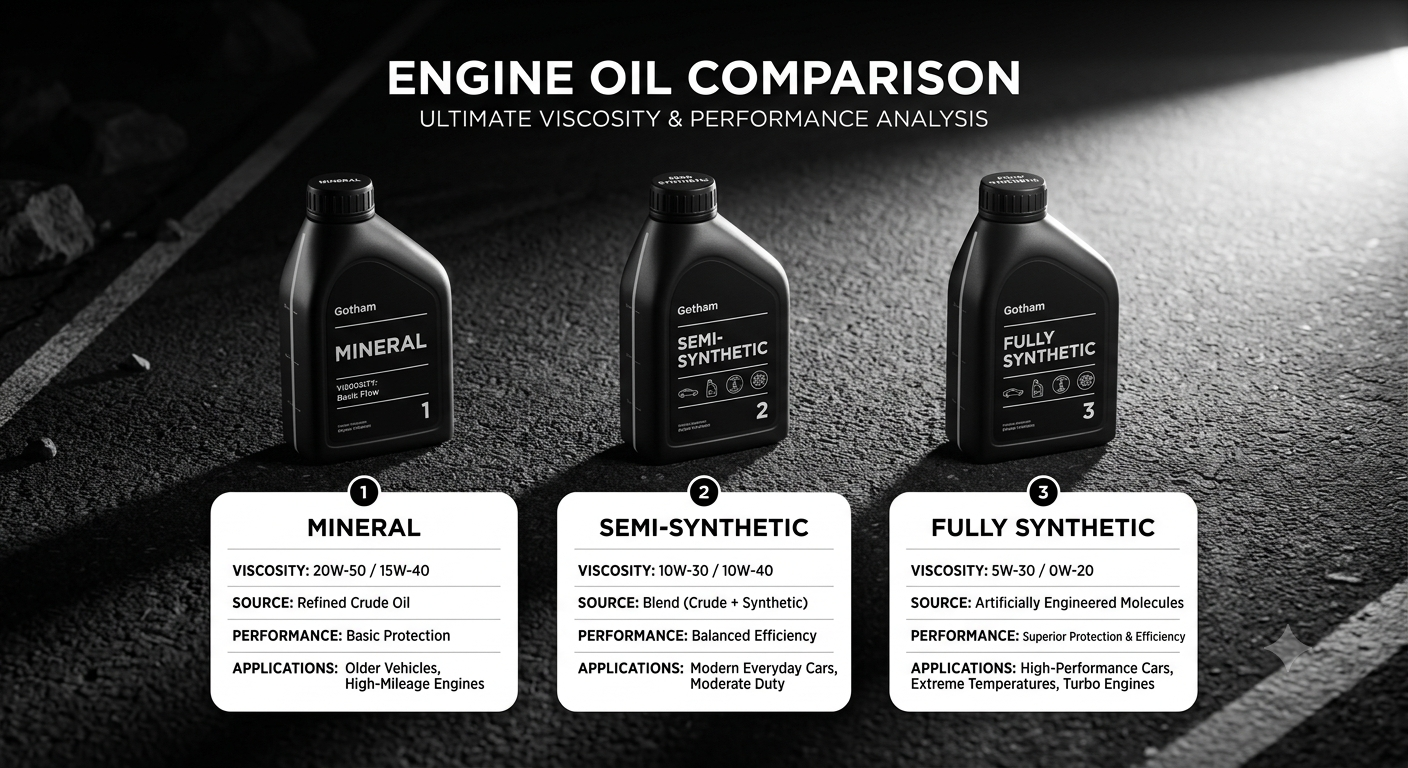
Mineral Oil: Refined directly from crude oil, mineral oil provides basic lubrication. It is cost-effective but breaks down faster under extreme heat and high stress. Fully Synthetic Oil: Chemically engineered in laboratories, synthetic oil features uniform molecular structures. It offers superior temperature tolerance, better cold-start performance, and lasts significantly longer. Semi-Synthetic (Synthetic Blend): A hybrid mixture of mineral and synthetic oils. It provides better performance than pure mineral oil at a budget-friendly price point.
2. Decoding Viscosity Ratings (e.g., 5W-30 vs. 10W-40)
When reading an engine oil bottle, you will see a code like 5W-30. Here is what those numbers mean:
5W (Winter Rating): The number before the "W" indicates how easily the oil flows in cold temperatures. Lower numbers mean easier winter engine starts and faster lubrication. 30 (Operating Temperature Rating): The second number indicates the oil's resistance to thinning at high engine operating temperatures. Higher numbers provide better protection in intense heat.
Always check your vehicle manufacturer's manual or saved specs before selecting a viscosity grade.
Engine Oil Types Compared: Mineral vs Semi-Synthetic vs Fully Synthetic
A quick visual breakdown comparing cost, performance, and replacement intervals between Mineral, Semi-Synthetic, and Fully Synthetic engine oils.
3. Which Oil Type Should You Choose?
Selecting the right oil depends on your daily driving routine and vehicle type:
Choose Mineral Oil if: You drive a naturally aspirated commuter car, cover less than 5,000 kilometers annually, and stick primarily to low-speed city traffic. Choose Semi-Synthetic Oil if: You want a balance between cost and performance for daily commuting with occasional highway trips. Choose Fully Synthetic Oil if: You drive a turbocharged engine, frequently haul heavy loads, live in extreme weather conditions, or commute in severe stop-and-go highway traffic.
4. How to Check Your Engine Oil at Home
Step 1: Park on level ground and turn off the engine for 10 minutes to let the oil settle. Step 2: Pull out the engine dipstick and wipe it clean with a rag. Step 3: Reinsert the dipstick fully, then pull it back out to check the level. Step 4: Ensure the oil mark falls between the "MIN" and "MAX" indicator lines.
How to Check Engine Oil Level with a Dipstick
Step-by-step visual guide showing how to pull, wipe, and inspect a car's engine oil dipstick to ensure oil levels stay between MIN and MAX marks.

5. Keep Your Car Service History Organized
Engine oil changes are just one part of routine maintenance. Keeping clear service records helps maintain your car's health and boosts its resale value down the line.