There's a quiet trick in India's used car market that costs honest buyers thousands of rupees — and honest sellers a fair price. It's called odometer tampering: rolling back the reading so a car looks far less used than it really is.
A lower reading means a higher price. A car that's actually done 1,20,000 km but shows 60,000 km can be sold for far more than it's worth. And because most buyers have no way to check the real number, the trick works far too often.
Here's how odometer tampering works, how to spot it before you buy, and — just as importantly — how to prove your car's reading is genuine when it's your turn to sell.
Checking Digital Odometer Tampering in Used Cars
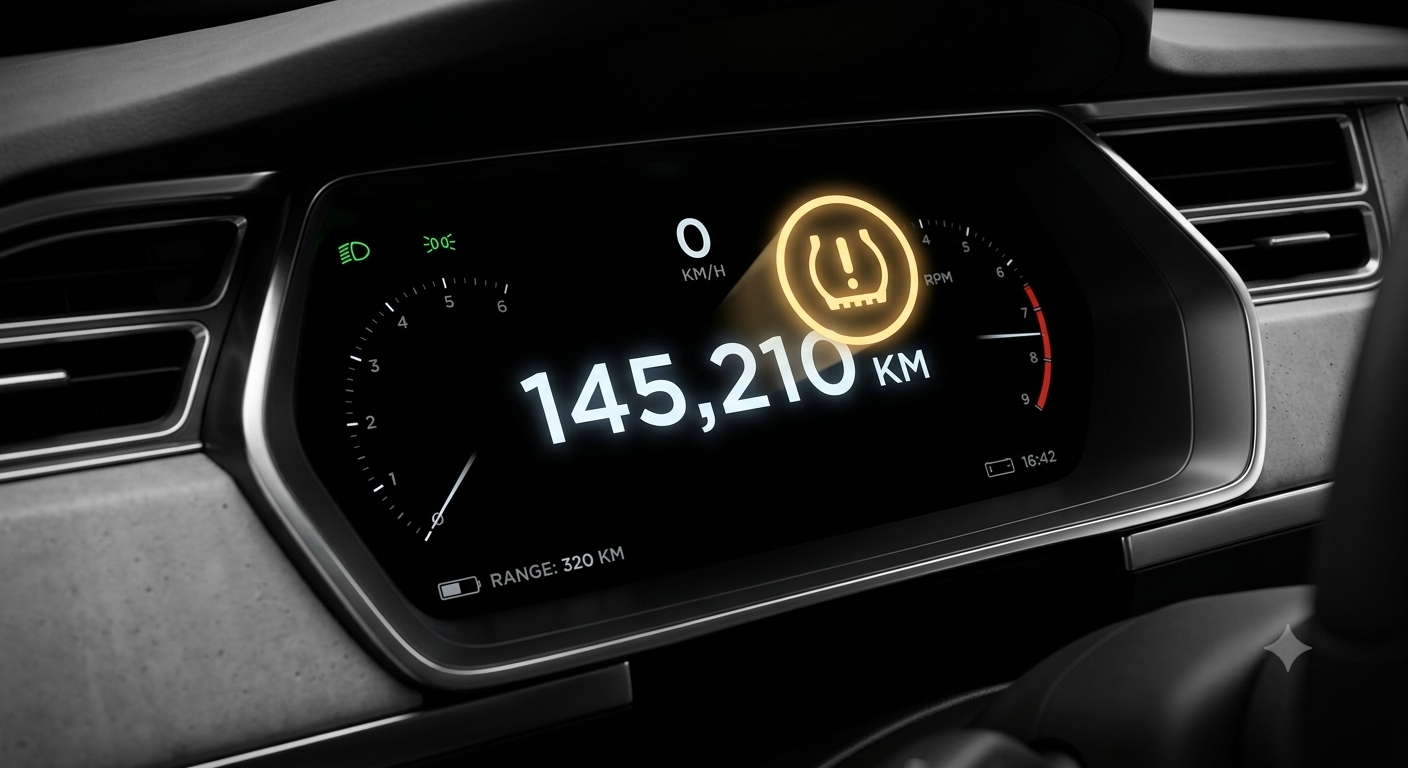
Close-up shot of a modern digital car dashboard displaying mileage with a warning check graphic.
1. Why Odometer Tampering Is So Common
The odometer is the single biggest factor in a used car's price after its age and model. Kilometres driven tell a buyer how much life the car has left, how worn the engine is, and how soon expensive parts will need replacing.
That makes the number incredibly tempting to fake:
Digital Rolled-Back Readings: In modern cars, tampering is done electronically — and a rolled-back digital reading can look completely clean on the dashboard without leaving obvious physical signs.
Financial Loss for Buyers: Buyers pay extra for kilometres the car never had and inherit unexpected wear and expensive repair bills.
Unfair Market for Honest Sellers: Buyers learn not to trust the number on any dash, causing honest sellers with genuine low-mileage cars to lose money at resale.
2. How to Spot a Tampered Odometer
While electronic rollbacks can be sneaky, these physical and historical checks catch a huge portion of tampered vehicles:
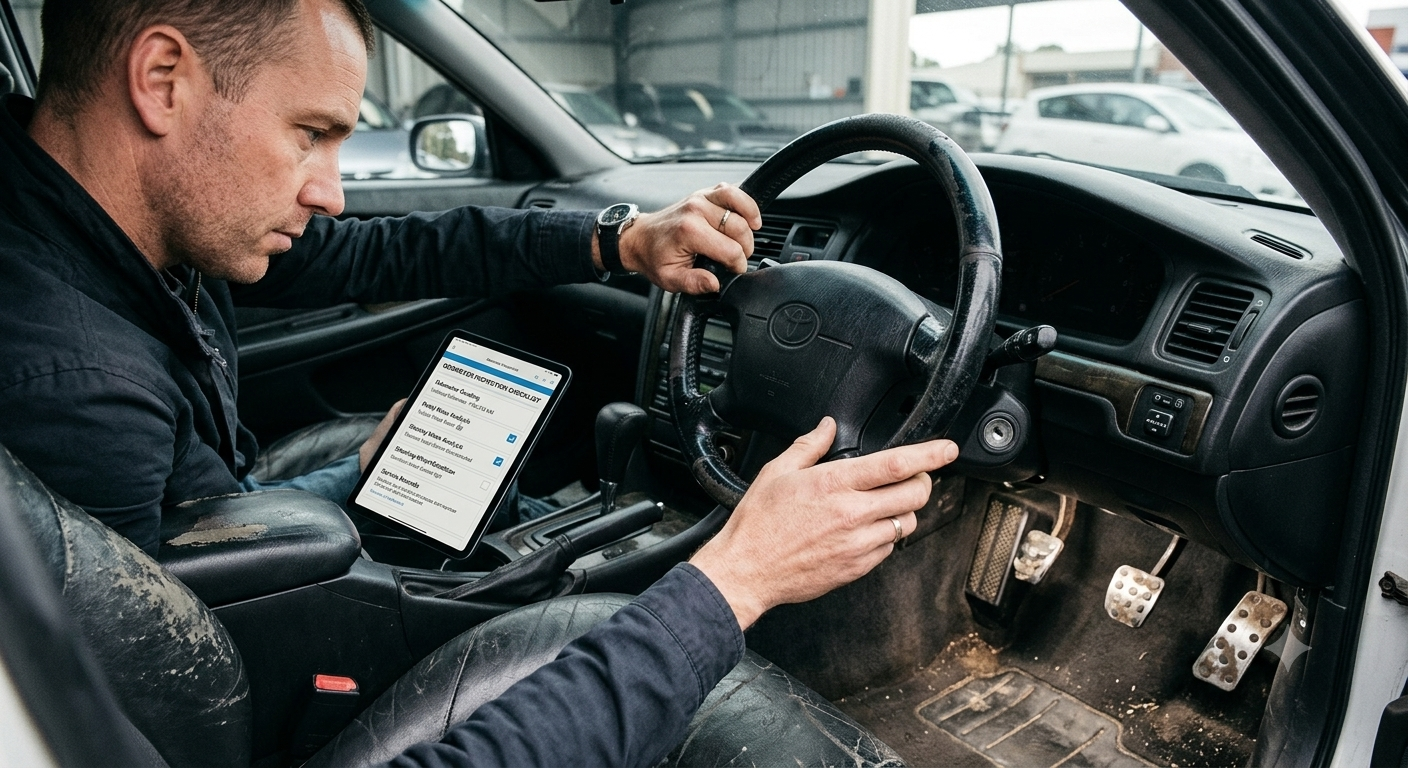
Match Reading to Interior Wear: Heavy wear on the brake pedal rubber, accelerator pedal, steering wheel, gear knob, or driver’s seat bolster on a car claiming low kilometres is a huge red flag. Inspect the Tyres: Original tyres on a genuinely low-run car shouldn't be completely worn out or already replaced. If a car showing 40,000 km is on its second or third set of tyres, ask why. Compare Past Service Records: Every routine service entry notes the odometer reading at that time. If an older service invoice shows a higher reading than what is on the dash today, the odometer was rolled back. Cross-Check Past Documents: PUC certificates, insurance inspection papers, and past repair bills often log mileage. Ensure those numbers climb sequentially over time. Be Cautious of "Too Clean" Old Cars: A 6-year-old car with a suspiciously low reading (e.g., under 20,000 km) deserves extra scrutiny and verified paperwork, not less.
Log Genuine Mileage History
Build an unalterable odometer log over time with Odo. Record fuel fill-ups and services to prove your car’s true usage.
Inspecting Interior Wear vs Odometer Reading
Car buyer checking worn pedal rubber and steering wheel condition during a pre-purchase inspection.
3. The One Thing That Beats Every Trick: A Reading You Can Prove
Tampering works by erasing history so no one can compare past numbers with the present. The ultimate protection — whether buying or selling — is a vehicle whose odometer history was recorded consistently over time.
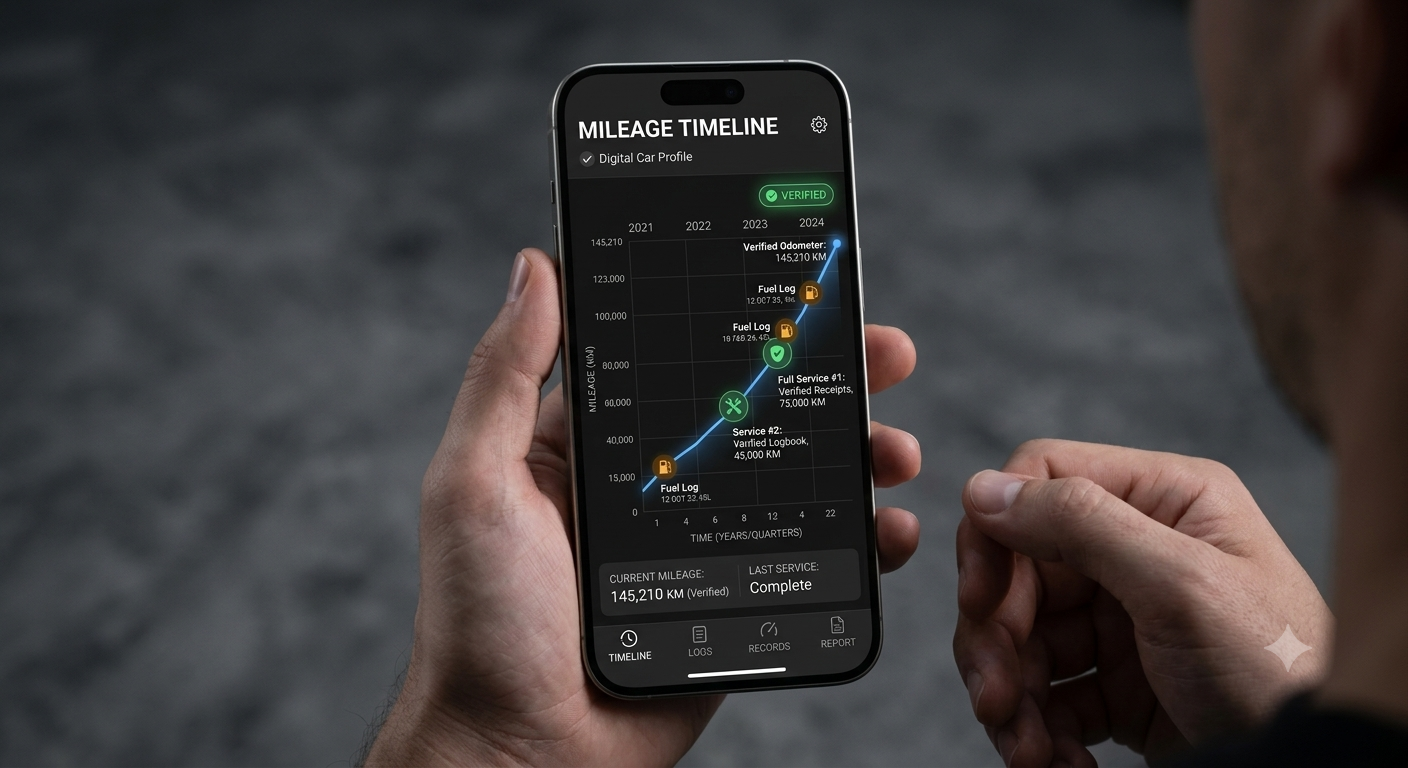
This is exactly why keeping your own verified odometer history matters, and it's a core feature built into the Odo App:
Logged Over Time: Your car's mileage is captured alongside every fuel entry, routine service, and repair bill as your kilometres naturally add up. Unalterable Digital Record: Creates a continuous, honest record of the car's real usage that nobody can quietly roll back or alter later. Total Resale Transparency: When you sell, you hand over a documented digital timeline that proves your dashboard number is 100% genuine.
4. Checklist for Buyers and Sellers
If You're Buying:
1. Ask for the full service history up front and cross-check odometer entries. 2. Inspect wear and tear on high-touch surfaces (pedals, steering, tyres, seats). 3. Pay for a professional pre-purchase inspection from a trusted mechanic. 4. Prioritize vehicles with a verifiable digital history over verbal promises.
If You're Selling:
1. Keep a complete, unbroken service history with consistent mileage logs. 2. Store every digital invoice, repair bill, and inspection document in one place. 3. Maintain a verified odometer history from day one using Odo to get the highest market resale value.
Prove Your Car's Value with Odo
Don't let buyers doubt your dashboard. Build a verifiable odometer and maintenance history to get the resale price you deserve.
Verified Mileage Timeline Log in Odo
A smartphone displaying a verified odometer log history and mileage graph over time.
The Bottom Line
Odometer tampering thrives on one thing: the absence of history. When there's no reliable record of a car's past, a faked number is easy to sell and hard to catch.
So whether you're buying or selling, the answer is the same — trust the car with a history you can verify, not just the number on the dash. Build that history early, keep it honest, and it protects your wallet at every stage of car ownership.