Most car damage doesn't come from one big mistake. It comes from small, everyday habits — the kind you don't even think about — that slowly wear your car down and quietly drain your wallet. The tricky part is that nothing feels wrong at the time. The damage adds up in the background, and you only notice when the repair bill arrives.
Here are 5 common habits that are quietly damaging your car — and simple changes that save you serious money in the long run.
1. Ignoring Warning Lights and Small Noises
That dashboard light you've been ignoring? That new rattle you've learned to tune out? Your car is trying to tell you something, and "wait and see" is the most expensive strategy there is.
- Why it costs you: Small problems caught early are cheap. The same problems ignored for months turn into major breakdowns. A squealing brake is a cheap pad replacement; the damaged disc from ignoring it is not.
- Better habit: Treat every new light or unfamiliar noise as a "check it soon" signal, not background noise.
2. Skipping or Delaying Services
Pushing your service back by a few months to save money feels harmless. It isn't. Your engine runs on oxidized oil, worn filters stay in place, and small issues that a service would have caught go unnoticed.
- Why it costs you: Regular servicing is the single cheapest way to prevent expensive engine overhauls. Skipping it doesn't save money — it just delays a much bigger bill.
- Better habit: Service on schedule, by time or distance, whether or not anything feels wrong.
Never Miss a Service Interval
Track your service schedule and get automated reminders based on time and mileage with the Odo App.
3. Running on a Near-Empty Tank Constantly
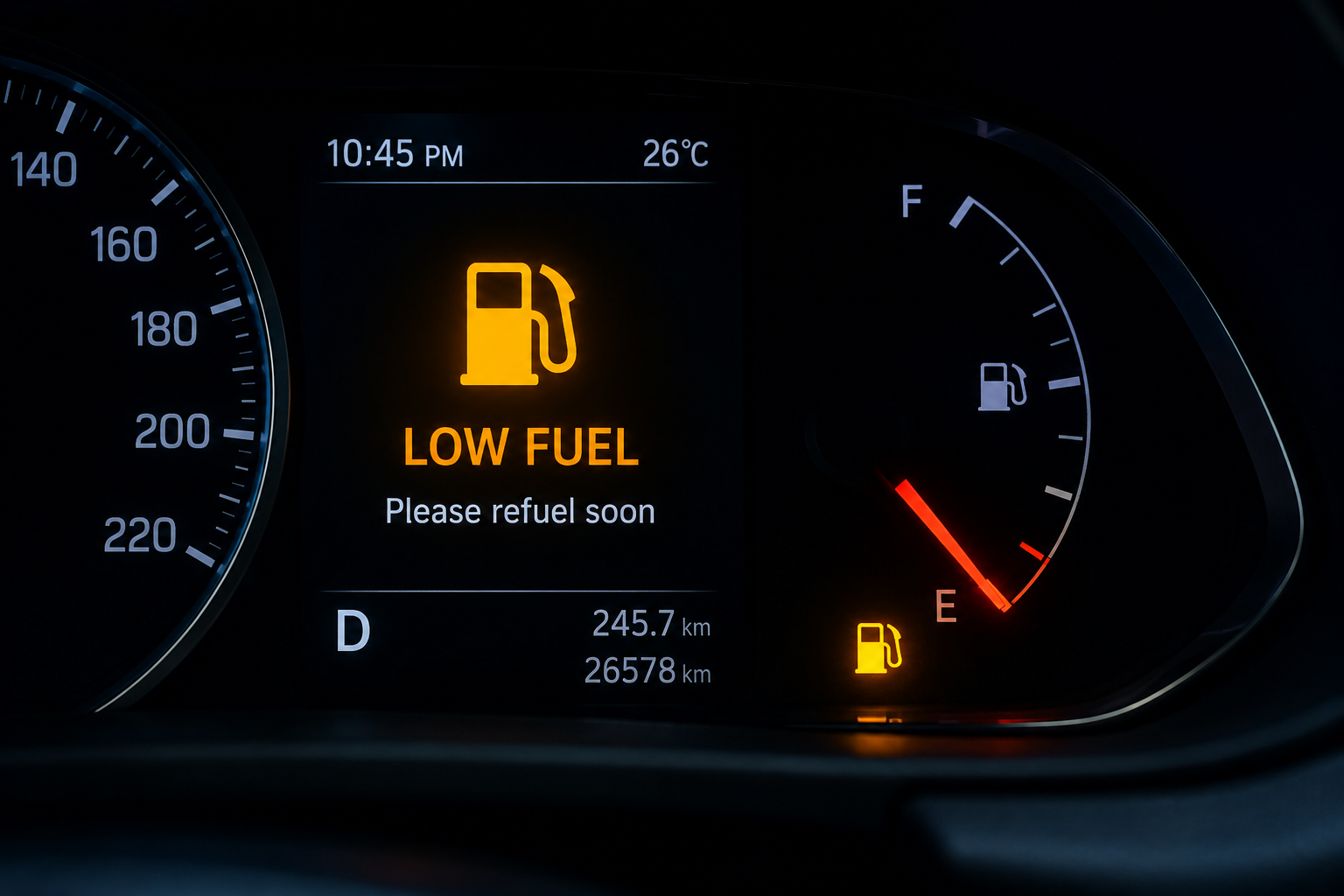
Always driving until the fuel light comes on seems fine — until you learn what it does over time. Running very low regularly causes your fuel pump to run hotter and wear out prematurely, as electric fuel pumps rely on surrounding fuel to stay cool.
- Why it costs you: Replacing a burnt-out fuel pump is a completely avoidable repair caused purely by a bad habit.
- Better habit: Refuel before your tank hits the reserve mark. Keeping the tank above a quarter full extends your pump's lifespan.
4. Riding the Brakes and Harsh Driving
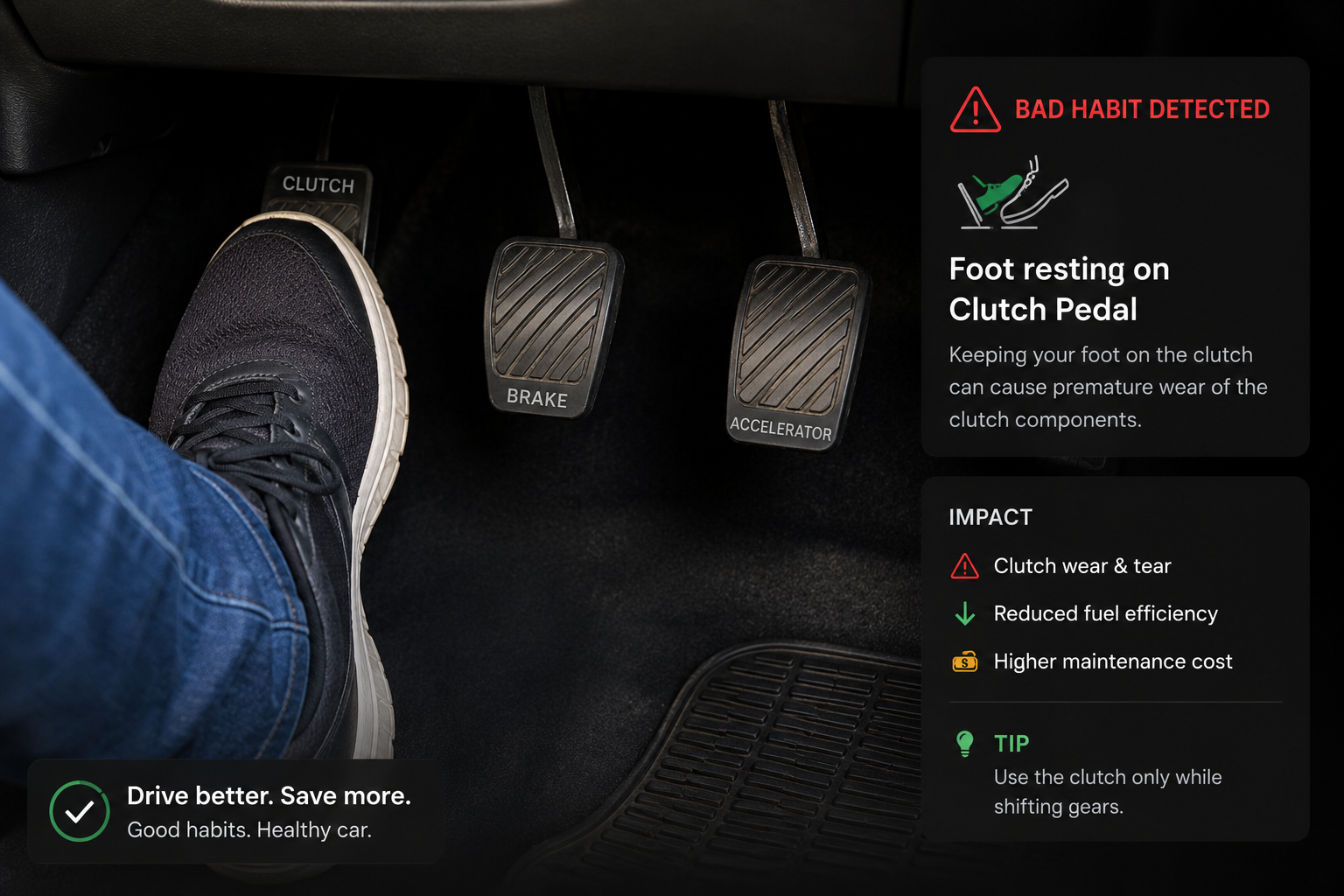
Hard braking, aggressive acceleration, and riding the clutch or brake pedals might feel normal in daily traffic, but they wear out expensive components far faster than smooth driving does.
- Why it costs you: Clutch plates, brake pads, and tyres wear down rapidly under aggressive driving, while simultaneously killing your fuel economy.
- Better habit: Drive smoothly and anticipate traffic flows. Ease off early, brake gently, and accelerate steadily.
5. Never Tracking Expenses or History
This is the quiet habit behind all the others. When you don't track your fuel fills, services, or repairs, you can't tell when your mileage is dropping, when a service is overdue, or when running costs are creeping up.
- Why it costs you: Almost every expensive surprise starts as a minor problem that went unnoticed for too long. No tracking means no early warning system.
- Better habit: Keep a simple digital record of your fuel fills, maintenance, and service bills.

Habits vs. Fixes Checklist
- Ignoring Lights/Noises: Scan OBD codes and check mechanical noises immediately.
- Delaying Maintenance: Stick strictly to time or kilometre-based service schedules.
- Driving on Empty: Refuel once your tank drops to 1/4 full to protect the fuel pump.
- Harsh Driving: Drive smoothly to preserve brake pads, clutch plates, and tyres.
- Zero Tracking: Log fuel and service bills digitally to spot health trends early.
The Bottom Line
None of these habits feel damaging in the moment — that is exactly why they are so common, and so costly.
The good news is that fixing them requires no mechanical expertise. Pay attention to early warning signs, service on time, don't run on fumes, drive smoothly, and keep track of the basics. Small positive changes repeated every day keep your vehicle healthy and inexpensive to run.
Break Bad Car Habits
Take control of your vehicle's health. Track fuel economy, log maintenance, and stay ahead of costly repairs with Odo.